
Nwachi O. Hartley was born on September 12, 1986. A quiet and simple spirit, he was dedicated to helping his family and achieving his goals. He attended New Dorp High School, but decided he would work towards achieving his GED instead.
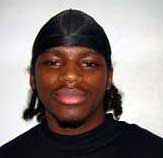 He came to the ACE program in October of 2006, motivated and ready to earn his GED. He was reserved and a loner, but completed his work and developed a strong relationship with his teacher, Professor Huntley James and the ACE Program Staff.
Although sometimes distracted by his game-boy or his music in class, he always did what he needed, and made tremendous strides toward his personal and educational success.
He was a hard worker and enjoyed working with his hands. He held various jobs in construction and maintenance and was happy getting dirty and using his strength. He was even more pleased to earn extra money to help out his family, especially his mom, Joanne.
One of Nwachi’s passions however, and the thing that kept him focused, was boxing. As a member of the Park Hill Boxing Program, Nwachi (nicknamed Speedy) trained for the Golden Gloves and was highly successful in his matches. He helped the club by recruiting young men from the neighborhood and encouraging them to use their fighting skills in the ring and not on the street.
Nwachi put all of his talents and skills to work and was able to earn his GED. In the midst of his preparation, he was received the “Outstanding Student Award” from the Continuing Education Program at the College of Staten Island. Professor James recognized his ability to multi-task, get things done and motivation to succeed.
He was an inspiration to his classmates and a proven example that setting your sites on the prize and working hard will get you that trophy.
After obtaining his GED, Nwachi continued to work with the ACE Program looking for jobs, applying to training programs and traveling down the path to improve his life. Always with a desire to succeed and respect in his heart, Nwachi’s participation in the ACE Program was as beneficial to him as it was to the program staff. He helped us to be on top of our game, learn new ways to deal with our students, and revel in the fact that all things are possible.
Late in January 2008, at only 20 years old, Nwachi was taken from us. He passed away from injuries sustained in an automobile accident.
The shock and sadness of this tragic loss is still being felt within the ACE Program and the Parkhill Community. The impact he has had on his family, the community and this program will be felt for a long time.
He is an inspiration to all our participants and has exemplified the characteristics we expect from all of our participants. New York Center, The ACE Program and the College of Staten Island are all so honored to have been able to work with Nwachi, get to know his wonderful character and play a part in helping him achieving his goals.
Our deepest condolences and sympathies are extended to his family, friends and all who loved him.


